
Fun On The Tabletop
For when it's raining and you can't get out 'n' about...

...or you simply want do something different. Tabletop and close-up photography can be surprisingly satisfying, as Andrew Sanderson’s excellent post illustrates. It’s something I’ve been dabbling with again recently, using two rather different set-ups, one 35mm and the other on 120.
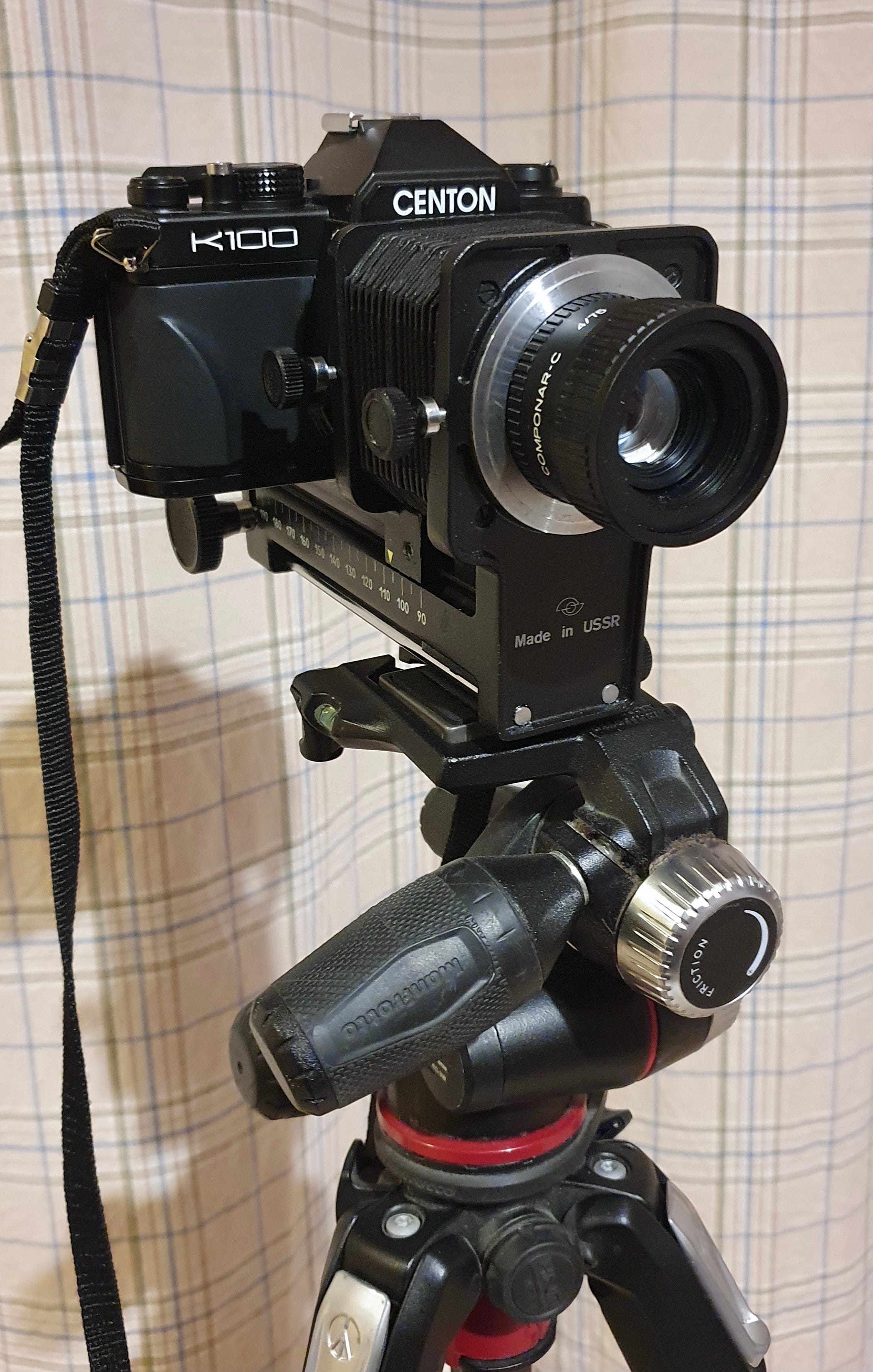
For the 35mm I decided to have a play with my Soviet made bellows unit. The lens I used was my old Schneider Componar 75mm f4 enlarging lens as this gives a reasonable working distance when getting in close to the subject. The camera used was my Centon K100 adapted from it’s native Pentax ‘K’ type lens mount to the M42 screw of the bellows.


I discovered that the screw mount on the bellows tightened against the adaptor ring rather than the camera’s flange, leaving the camera to move and wobble a little bit more than desirable. By cutting and fitting a thin cardboard shim in between, I overcame this issue. I also swapped ends on the bellows, the camera where the lens would be and vice versa. This allowed me to get closer without the rack getting in the way.
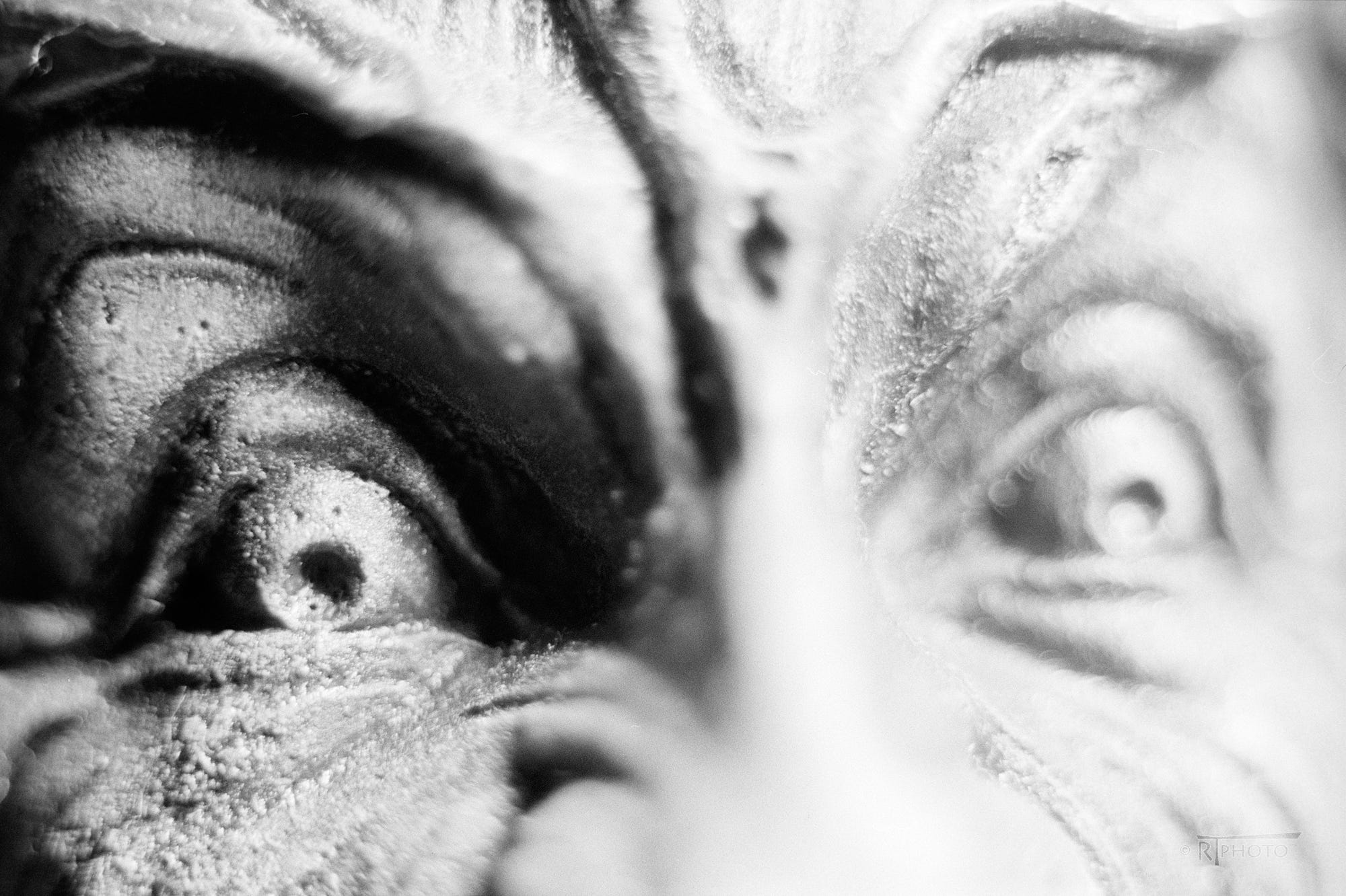
There is a whole discipline regarding setting up the bellows to obtain a particular magnification factor, or ratio, for a given lens if this is required for technical reasons. Here, though, I just went with what I felt gave an interesting image. For such a humble lens, the Componar worked pretty well, giving a pleasing rendering.


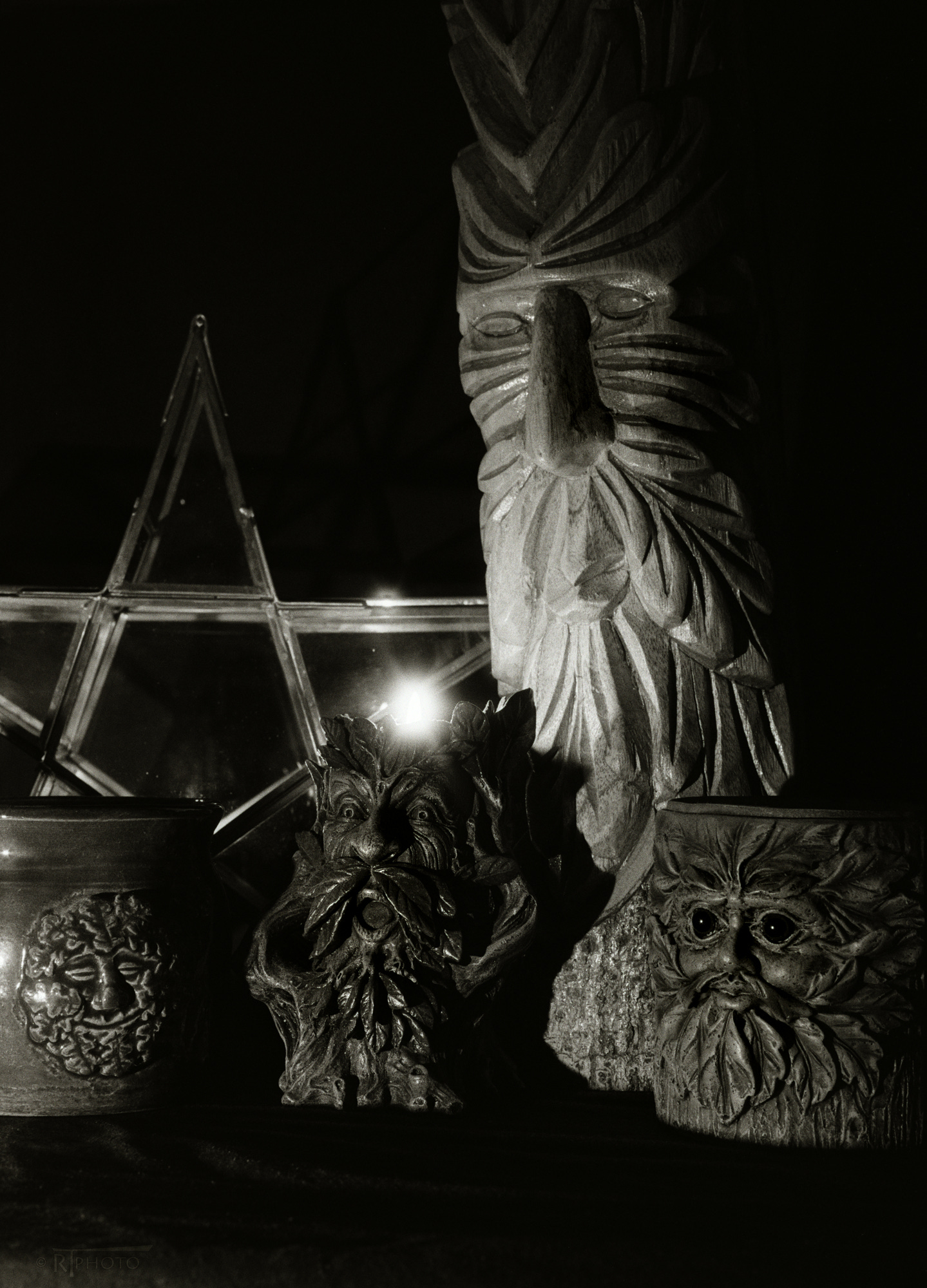
When it came to playing with 120 I decided to try something completely new to me. Twin lens reflex cameras are, by their very nature, not normally the optimum for close-up work.
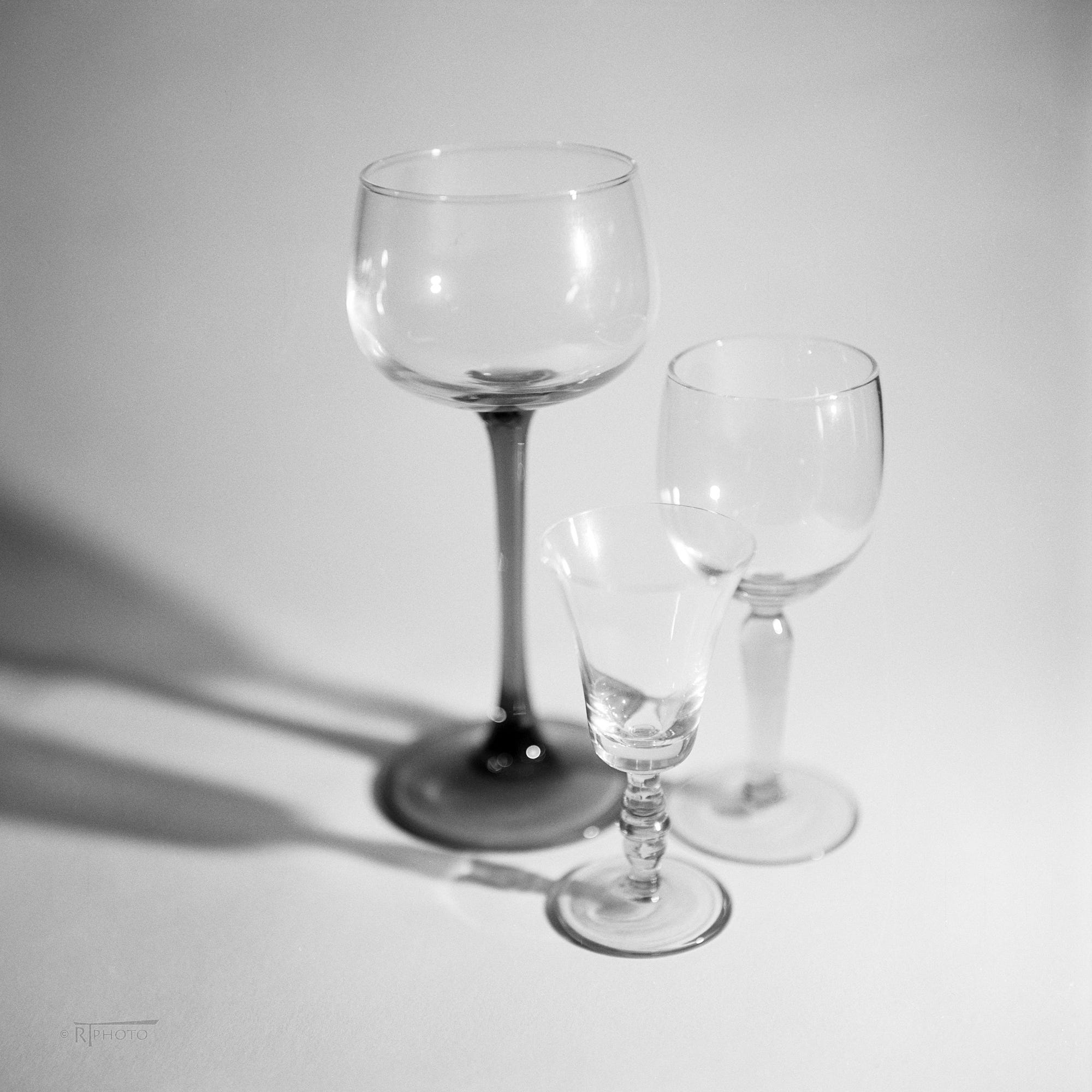
The clever people at Rollei way back when produced a very clever supplementary lens kit to help overcome the parallax issue, in the form of the Rolleinar series. The optic to fit the taking lens is a standard (though high quality) unit. The one to fit the viewing lens has a built-in prism that effectively offsets the view you see in the viewfinder so it’s nearer to what the taking lens ‘sees’ in terms of subject framing. As I mentioned, clever stuff. The came in kits of three different magnification factors. I was very fortunate to have a couple of kits (no.s 2 & 3) gifted to me from a good friend some years ago.


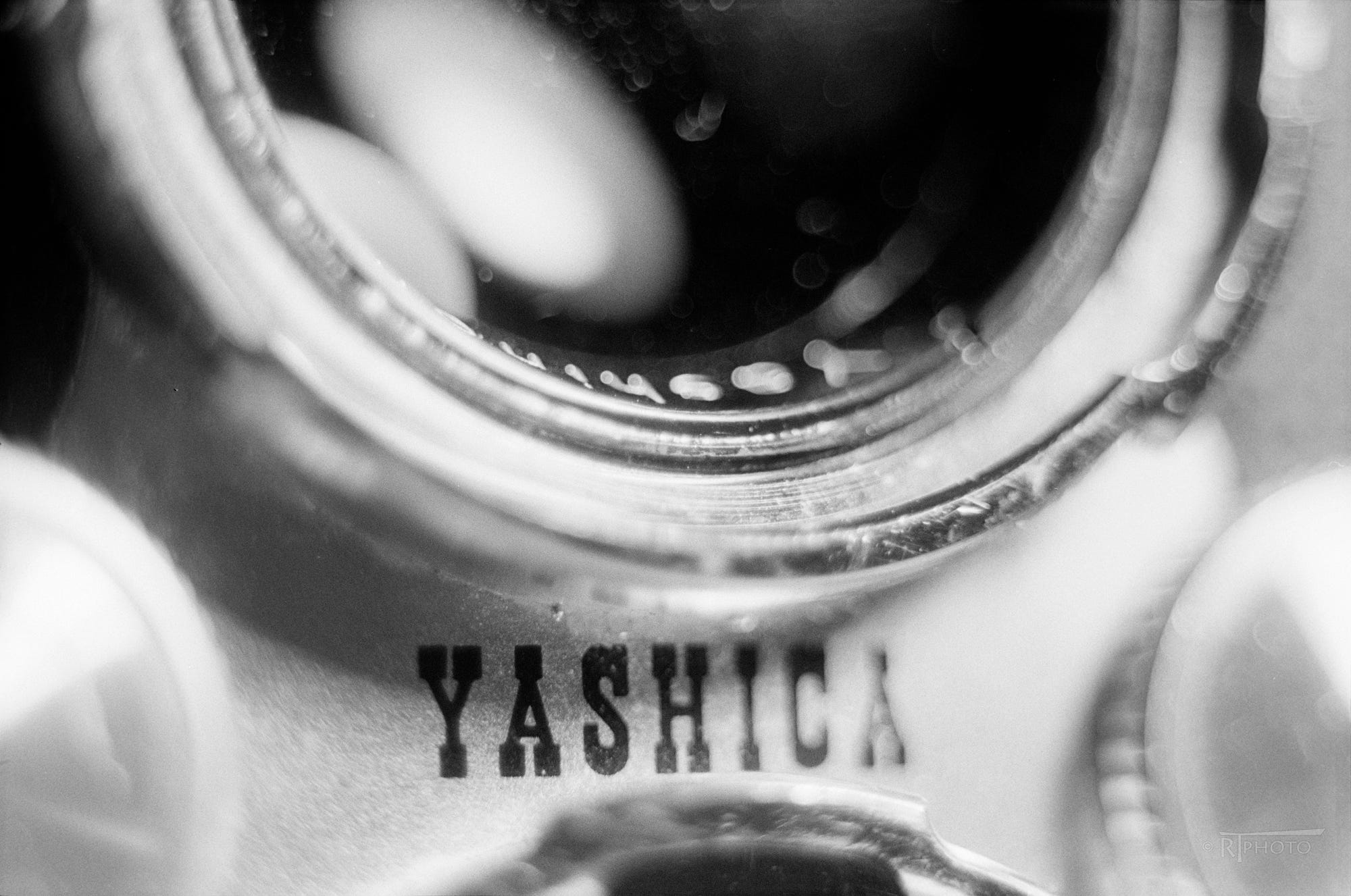
Well, I’d love to have a Rolleiflex (or even a Rolleicord) to go with them but, alas, no. Luckily, these attachments also fit on Yashica-mats, one of which I’m fortunate to have, namely the EM.
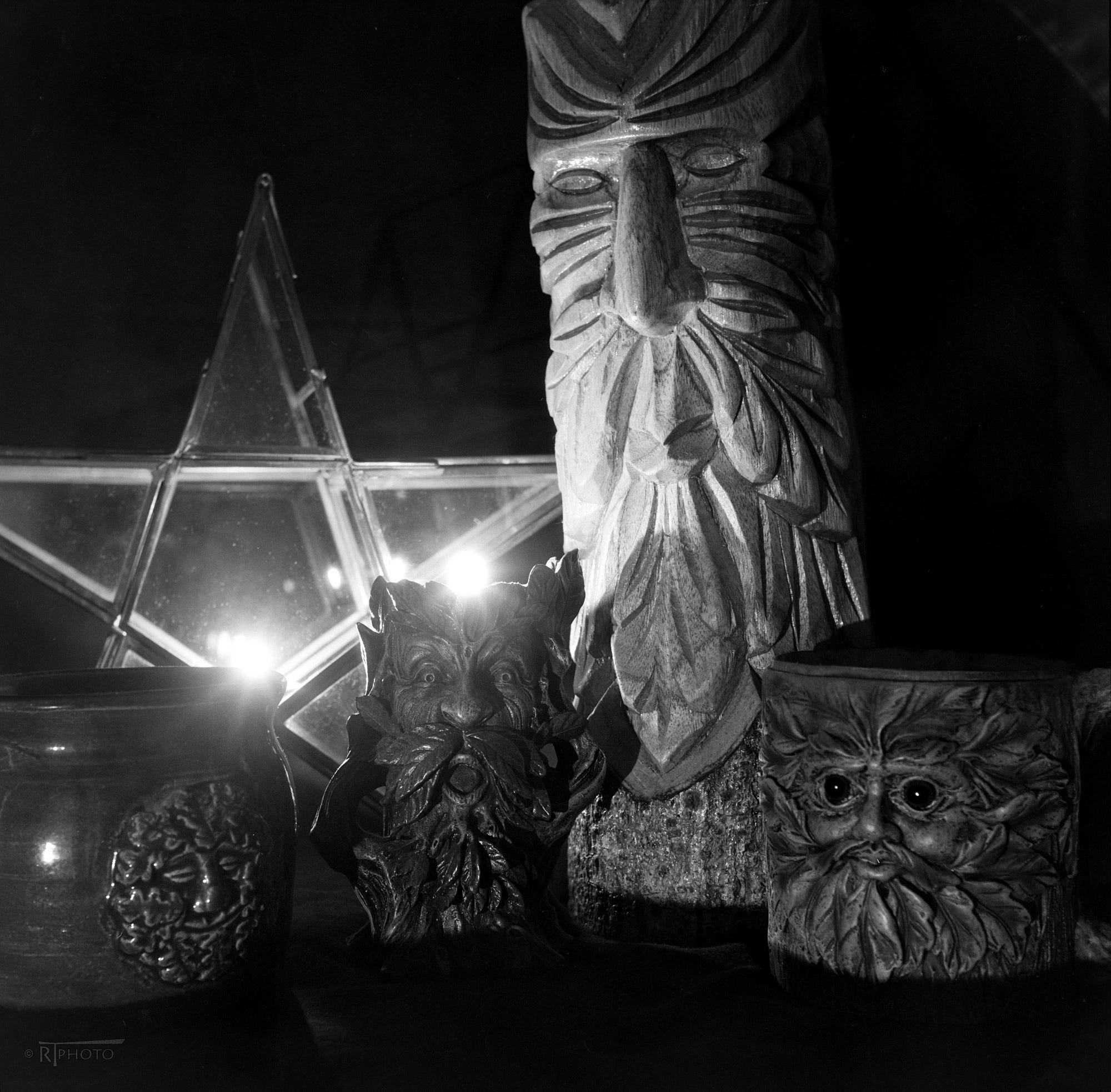


When it came to image quality, any concerns I may have had evaporated when I saw the results. I was very pleased with how these images turned out.
(35mm - Kentmere 200, 120 - Kentmere 100, developed in caffenol as usual.)
One type of camera that is not normally considered for this type of photography is the scale-focus variety, where framing and focussing at close distances usually become something of a guessing game. It’s not impossible to do but, as you can imagine, has it’s limitations. As is my wont, though, I did have a go with my old Cosmic Symbol a few years back. You can see the result of this endeavour lower down in my article here.
The weakest link in all of this is almost certainly my imagination (or lack thereof) for subject matter. Hopefully, the more I do of this, the better I’ll get at it. Time will tell.
Thanks, once again, for joining me in this brief look at this enjoyable, absorbing facet of photography - I hope you enjoyed it. If you did, please consider a contribution to our collective future and help plant a tree. All proceeds go to:
I am deeply facinated with your « old ways» Photography Ralph🙂 I am a hobby photographer but with a quite new Canon 70 D. I sometimes enjoy watching Photography Online on YouTube. There its about analog photography/ film which is exciting. You know that Chanel?! I really enjoy reading your articles. The images of the glasses were very good, and others as well.
This looks really fun! It has inspired me to do some black and white still life work while I’m cooped up this winter 😁